


The world of ancient Greek theater is a window into a time when storytelling was more than entertainment; it was a vital part of cultural and religious life. Theater in ancient Greece was not merely a form of art; it was a powerful medium for exploring complex themes like love, fate, and morality, all while engaging audiences in a communal experience. As we delve into the significant milestones of ancient Greek theater, we will uncover how this art form evolved from its primal roots in ritual and worship to a sophisticated medium that shaped the foundations of modern drama. Each milestone in this journey reflects the societal values, philosophical questions, and artistic innovations of the time, revealing the profound legacy that ancient Greek theater left behind.
The Origins of Theater in Ancient Greece
Rituals and Festivals
The origins of theater in ancient Greece can be traced back to religious rituals dedicated to the gods, particularly Dionysus, the god of wine, fertility, and festivity. These rituals were celebrated with fervor during festivals, where communities gathered to honor their deities through song, dance, and storytelling. The processional nature of these events fostered a sense of unity among the participants, as they engaged in shared expressions of faith and culture.
The festival of Dionysia, held in Athens, was particularly significant. It featured dramatic competitions where playwrights presented their works, often based on mythological themes. These early performances were deeply rooted in the community’s spiritual beliefs, serving not only as entertainment but also as a means of connecting with the divine. The rituals laid the groundwork for the evolution of theater by introducing the concept of performance as a communal experience, reflecting the values and aspirations of society.
The Transition from Ritual to Performance
As the rituals evolved, so did the storytelling techniques. Oral traditions began to take shape, and the early performances transitioned from spontaneous expressions into more structured narratives. The introduction of the first actors marked a pivotal moment in this transformation. The legendary figure of Thespis is often credited as the first actor, stepping out from the chorus to engage in dialogue with the collective voice. This innovation allowed for the exploration of character and individual perspective, a significant leap that would redefine storytelling.
The shift from chorus-centric performances to a more actor-driven narrative showcased the potential of theater as a medium for personal expression. It opened the door for complex character development and intricate plots. As performers embraced distinct roles, the audience began to experience a deeper emotional connection to the stories unfolding on stage. This transition not only set the stage for the future of drama but also highlighted the importance of individual perspectives in shaping narratives.
The Birth of Tragedy
The Influence of Thespis
Thespis, often referred to as the “father of tragedy,” revolutionized theater by introducing the concept of the protagonist. His innovation of stepping away from the chorus and embodying a character created a new dynamic in storytelling. Thespis’s performances were characterized by emotional depth and dramatic tension, allowing audiences to engage with the struggles and triumphs of individual characters. This marked the beginning of a profound exploration of human experiences that would resonate through the ages.
Thespis’s impact was not limited to his role as an actor; he also contributed to the development of the theatrical form itself. His innovations in dialogue and characterization laid the groundwork for future playwrights to build upon, creating stories that would delve into the complexities of human nature. The emergence of tragedy in ancient Greek theater provided a platform for exploring themes of fate, morality, and the human condition, establishing a legacy that endures in modern storytelling.
Key Tragedians and Their Works
The golden age of Greek tragedy flourished with the contributions of monumental playwrights such as Aeschylus, Sophocles, and Euripides. Aeschylus, known for his profound exploration of moral and ethical dilemmas, introduced the concept of a second actor, allowing for more complex interactions and conflicts. His works, such as “The Oresteia,” reflect the struggles between justice and revenge, highlighting the intricacies of human relationships.
Sophocles took tragedy to new heights with his character-driven narratives. His masterpiece “Oedipus Rex” exemplifies the fusion of fate and free will, drawing audiences into the tragic hero’s journey. Sophocles’s introduction of a third actor and elaborate staging techniques enhanced the visual and emotional impact of performances, making the experience more immersive.
The Evolution of Comedy
From Satyr Plays to Old Comedy
While tragedy dominated the stage during much of ancient Greece, comedy also found its place in the theatrical landscape. The origins of comedy can be traced back to satyr plays, which were humorous performances that followed the serious tones of tragedies. These plays often featured exaggerated characters and absurd situations, providing comic relief and entertaining the audience.
The Transition to New Comedy
As the political landscape of Greece evolved, so did the nature of comedy. The transition to New Comedy marked a shift from the overtly political satire of Old Comedy to more character-driven narratives focused on everyday life and romantic entanglements. Playwrights like Menander became prominent during this period, crafting comedies that explored themes of love, identity, and social dynamics..
The Architectural Advancements
The Development of Theaters
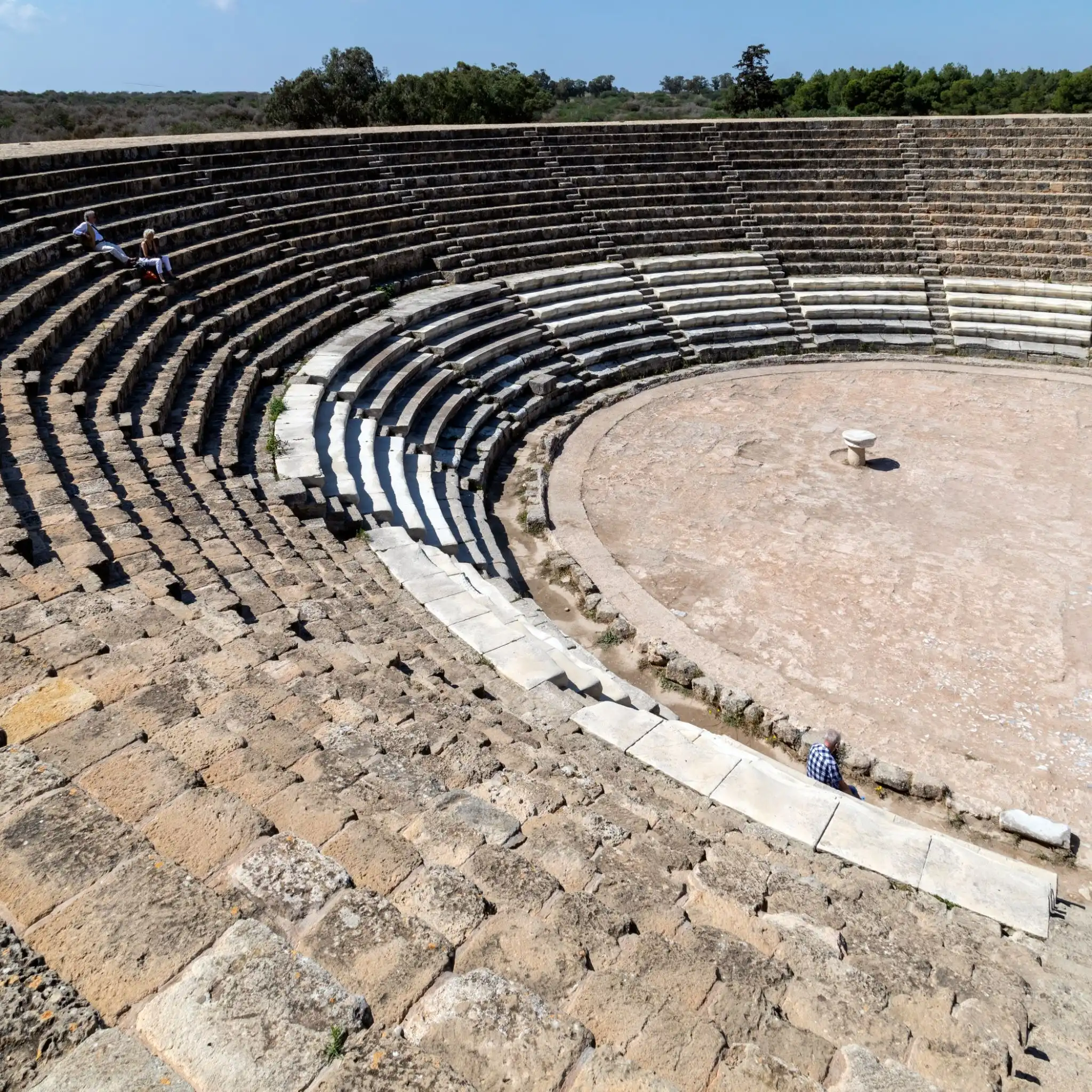
The physical spaces where performances took place played a crucial role in the evolution of ancient Greek theater. The construction of theaters evolved from simple, temporary structures to grand, purpose-built venues that enhanced the theatrical experience. The Theatre of Dionysus in Athens, one of the earliest stone theaters, exemplifies this architectural progression.
These theaters were designed with acoustics and sightlines in mind, allowing for optimal audience engagement. The semi-circular arrangement of seats facilitated a communal experience, fostering a sense of connection between performers and spectators. The grandeur of these venues reflected the importance of theater in Greek society, elevating performances to an art form worthy of admiration.
The Role of Performance Spaces
The outdoor nature of Greek theaters also contributed to the unique atmosphere of performances. The natural setting allowed for the incorporation of sunlight, enhancing the visual experience of the plays. The interaction between the performers and the audience was further amplified by the open-air design, creating a dynamic environment where emotions could be shared and felt collectively.
The development of these performance spaces not only influenced the aesthetic aspects of theater but also shaped the way stories were told. The physicality of the stage, combined with the communal experience of viewing, created a powerful medium for exploring deep emotional truths. These architectural advancements laid the groundwork for future theatrical spaces, influencing the design of theaters throughout history.
The Impact of Greek Theater on Society
Theater as a Reflection of Culture
Ancient Greek theater was more than mere entertainment; it served as a reflection of the cultural, social, and political landscape of the time. The themes explored in Greek plays often mirrored the values and concerns of society, addressing issues such as governance, morality, and human relationships. Through the lens of theater, audiences were invited to confront their beliefs and engage in critical discussions about the world around them.
Theater also played a role in shaping public opinion. The ability to portray societal issues through compelling narratives allowed playwrights to influence the perspectives of their audiences. The moral dilemmas presented in tragedies and the social critiques embedded in comedies sparked conversations that extended beyond the theater walls, contributing to the collective consciousness of ancient Greece.
The Legacy of Ancient Greek Theater
The legacy of ancient Greek theater extends far beyond its time. Its influence can be seen in the works of playwrights throughout history and in contemporary storytelling. The themes of tragedy, the complexities of character, and the exploration of moral dilemmas remain relevant in modern theater, literature, and film.
Moreover, the theatrical conventions established by the Greeks, such as the use of dialogue, character arcs, and dramatic structure, continue to shape the art of storytelling today. The enduring impact of ancient Greek theater serves as a reminder of the power of performance to connect, inspire, and provoke thought across generations.
Conclusion
The milestones in ancient Greek theater history provide a remarkable insight into the evolution of one of humanity’s oldest art forms. From its origins in religious rituals to the sophisticated narratives of tragedy and comedy, ancient Greek theater reflects the complexities of human experience and the cultural values of its time. As we explore these significant developments, we gain a deeper appreciation for the art of storytelling and its capacity to shape our understanding of the world. The legacy of ancient Greek theater continues to resonate, reminding us of the profound impact that performance arts have on our lives and society.